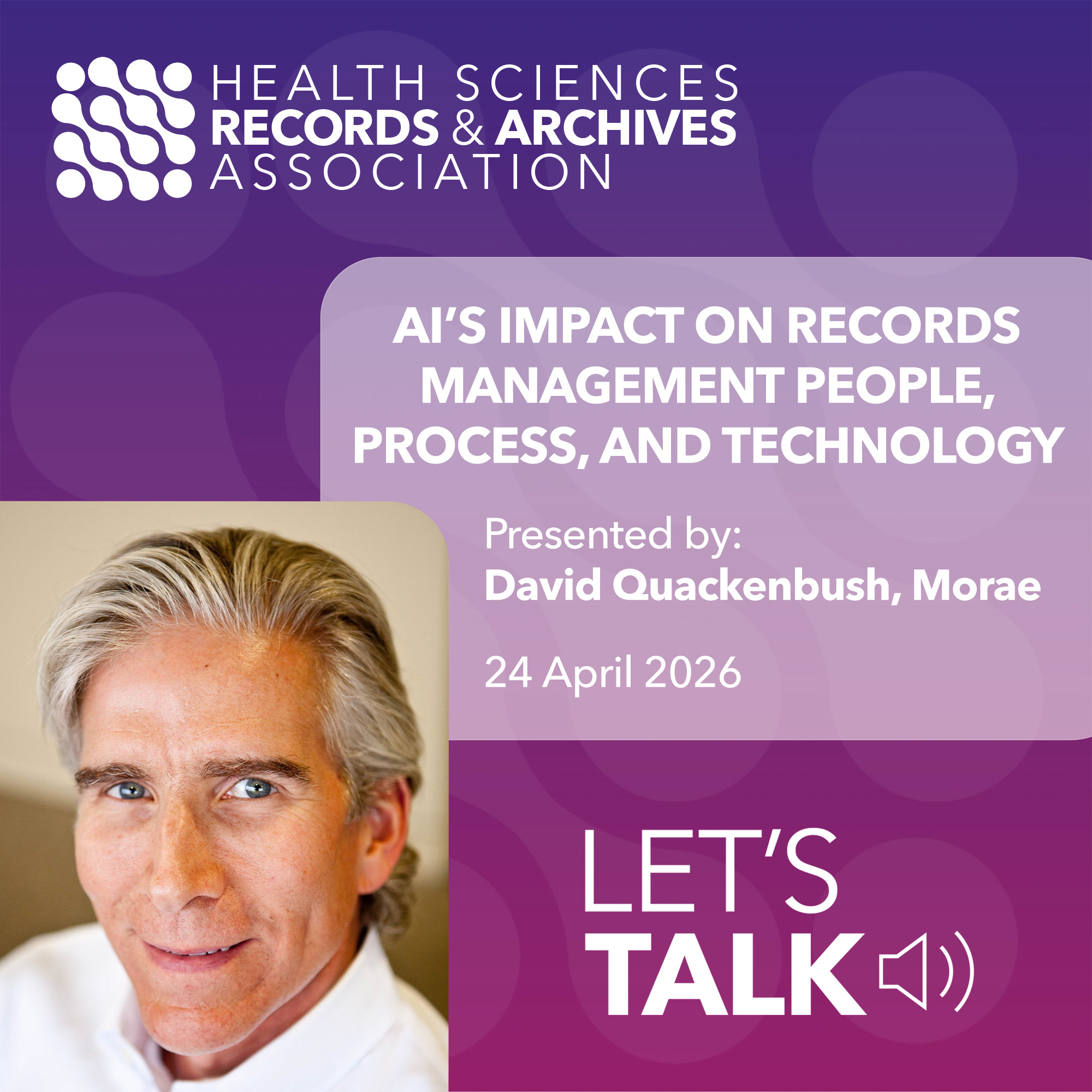

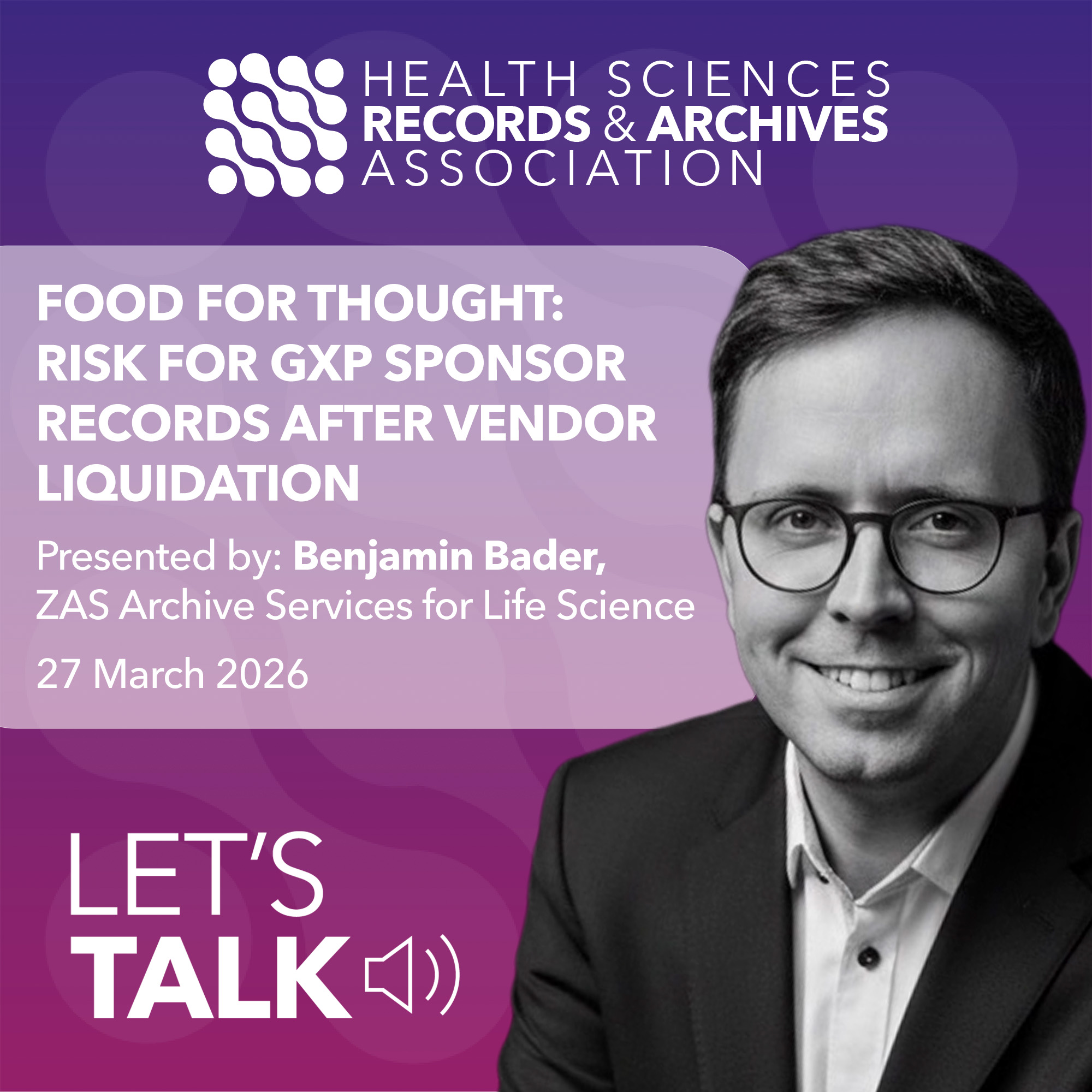
More than simply webinars, “Let’s Talk” comprises short presentations followed by interactive brainstorming discussions exploring challenges and solutions based on real-life case studies. The perfect opportunity to contribute or simply to listen, and learn.
There is no charge to attend these events, but you will need to register in advance by clicking the button below.
HSRAA Members are able to log in and view the recordings of previous sessions. If you are not yet a member of HSRAA, you can apply for annual membership for just £60 here.
Upcoming Topics
![]() |
AI in GxP: What Works, What Fails, and How to Tell the Difference 27 February 2026 15:00 GMT London | 16:00 CET Paris | 10:00 EST New York Host: Hans de Raad, CEO / Founder of OpenNovations Speaker/s: HSRAA Committee Description: AI holds tremendous promise for enhancing quality, compliance, and efficiency in GCP-regulated environments. Yet, its practical application frequently stumbles due to the overlooked fundamental principle: “Garbage In, Garbage Out.” This session deconstructs that principle into three critical layers—Data, Processes, and Technology—each presenting distinct risks and requiring specific strategies for successful AI implementation. Layer 1 – Data Garbage: Effective AI initiatives start with pristine, accurately structured data. Regulatory projects frequently encounter pitfalls like unstructured metadata, poor data lineage, and inconsistent naming conventions. Real-world scenarios underscore these risks, such as genomic data corrupted by spreadsheet auto-conversions that mistakenly alter gene symbols, AI models compromised by inadequately mapped electronic medical record fields causing unsafe clinical recommendations, inaccurate clinical trial enrollment forecasts due to inconsistent date formats, misinterpreted laboratory results from subtle unit mismatches, and diagnostic errors in radiology AI due to lacking standardized metadata. Practical strategies presented in this session include automated data profiling, creation of canonical data models, and enforcing naming conventions at ingestion to proactively address these data quality issues. Layer 2 – Process Garbage: Even superior data cannot remedy flawed processes. Ambiguous workflows, inadequate validation protocols, and poorly defined change-control procedures frequently undermine AI performance and compliance. This session explores real cases, such as AI misinterpretation of clinical protocol terms due to ambiguity in compliance criteria, automated batch inspections resulting in false rejections because of insufficiently defined validation criteria, and regulatory non-compliance caused by uncontrolled AI model updates. Emphasis will be placed on embedding subject matter experts into AI development cycles and validation loops, reinforcing clear process definitions, and using incremental validation strategies such as shadow models and drift detection. Layer 3 – Technology Garbage: Misapplication or inappropriate selection of technology poses substantial risks. Complex, opaque “black-box” models can fail regulatory standards due to unexplainable outcomes. The session examines real-world cases, including overly complex deep-learning models rejected by regulators due to lack of interpretability, failures resulting from heavy reliance on general-purpose Large Language Models (LLMs) without human oversight causing incorrect safety narratives, and production AI deterioration due to absent drift monitoring. Attendees will learn the value of selecting simpler, interpretable models where appropriate, establishing clear human oversight for AI-driven decisions, and defining explicit escalation pathways to ensure regulatory compliance. Concluding the session, a practical “Garbage Collection Matrix” will guide participants through actionable preventative measures and remediation strategies tailored to each identified risk layer. Attendees will leave equipped with clear, pragmatic tools to differentiate successful AI opportunities from high-risk pitfalls, confidently navigating the complex intersection of AI innovation and GxP regulatory compliance. |